
Lavender Essential Oil and Hair Loss
Lavender essential oil (LEO) is widely used in cosmetic and dermatologic contexts, yet its role in hair loss disorders is often overstated relative to the clinical evidence.
Research library
Browse focused guides on skin care, hair care, scalp support, pigment science, topical delivery, botanical extracts, and daily routines.
Lavender essential oil (LEO) is widely used in cosmetic and dermatologic contexts, yet its role in hair loss disorders is often overstated relative to the clinical evidence.
Melaleuca alternifolia (tea tree) leaf oil (TTO) is a steam-distilled essential oil widely used in dermatology-oriented products due to its antimicrobial and anti-inflammatory bioactivity...
“Rosemary” can mean very different ingredients in topical hair products. Rosmarinus officinalis (rosemary) leaf oil is an essential oil dominated by volatile monoterpenes (e.g., 1,8-cineo...
Hair loss—particularly androgenetic alopecia (AGA, “male pattern baldness”)—is driven by androgen signaling (notably dihydrotestosterone, DHT), follicular miniaturization, and a variable...

Androgenetic alopecia (AGA)—commonly called male pattern baldness (MPHL) and female pattern hair loss (FPHL)—is driven by genetic susceptibility and androgen signaling, especially dihydrotestosterone (DHT).
Pattern hair loss (androgenetic alopecia, AGA)—including male pattern baldness—is driven largely by androgen signaling (notably dihydrotestosterone, DHT) in genetically susceptible follicles.

To find effective treatments for skin conditions like vitiligo and hypopigmentation, traditional medicine often provides valuable insights.

Rosemary, a common herb in culinary and traditional medicine, harbors a potent compound known as rosmarinic acid.

Vitamin D, a vital prohormone in human organ systems, has been a subject of interest in dermatology, particularly for its role in skin health.
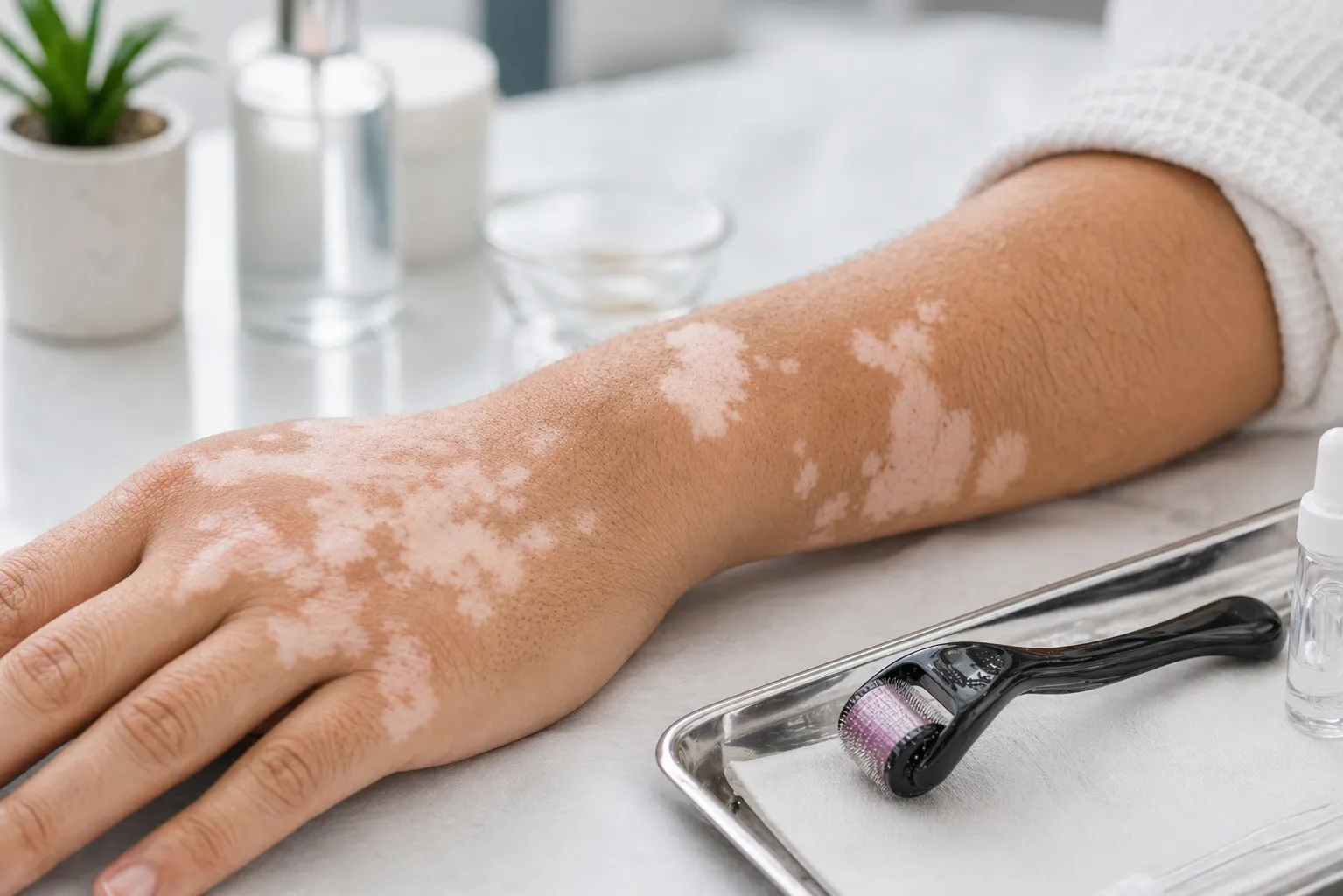
What is Microneedling? Microneedling, initially introduced for skin rejuvenation, has recently emerged as a promising treatment for vitiligo, a condition characterized by the loss of skin pigmentation.

Coleus Forskohlii Derived from the root of the Coleus Forskohlii plant, Forskolin has garnered attention in dermatological research for its skin-darkening properties.

Why rosehip seed oil remains a popular barrier-support ingredient in scar and tone routines.

A look at ginger root extract, warmth, antioxidants, and inflammation-aware skin care.

A balanced guide to pigment-suppressing ingredients, risks, and ethical terminology.

What penetration enhancers do, and why more absorption is not always better.
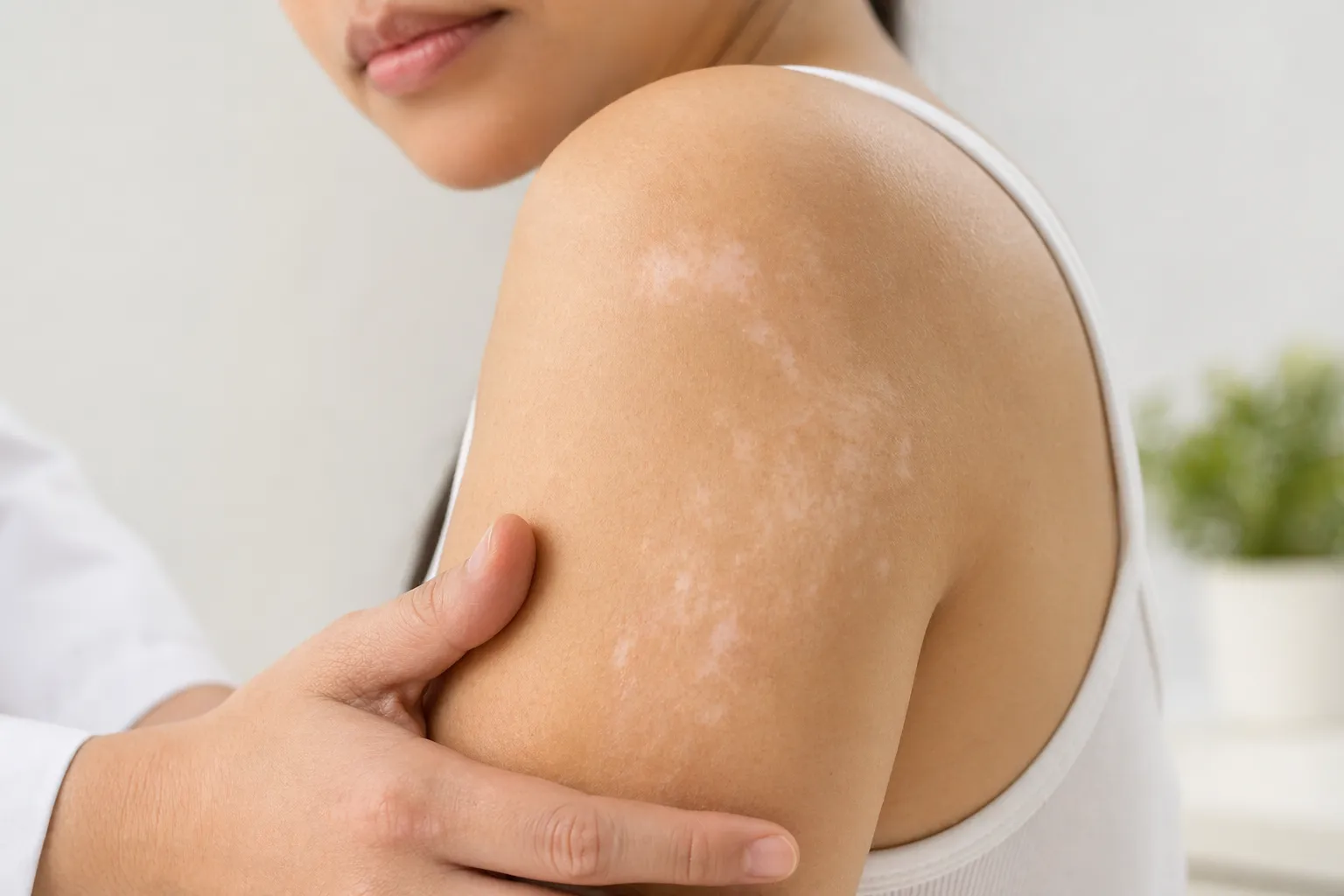
When the human body is exposed to an injury or accident, the skin begins a natural healing process to repair itself, quickly forming a new skin to protect the body against germs and bacte...

An overview of topical, procedural, and camouflage options for white scars.

How vitamins A, D, E, and K behave differently when consumed versus applied to skin.

Why onion extract appears in scar gels and what expectations should be set.

A practical ingredient profile for allantoin in calming and barrier-support formulas.

Usually people do not focus on scars unless these scars are red and itchy. This happens when skin starts to heal and it’s perfectly normal.

Where ginger fits in repigmentation conversations and where caution is warranted.
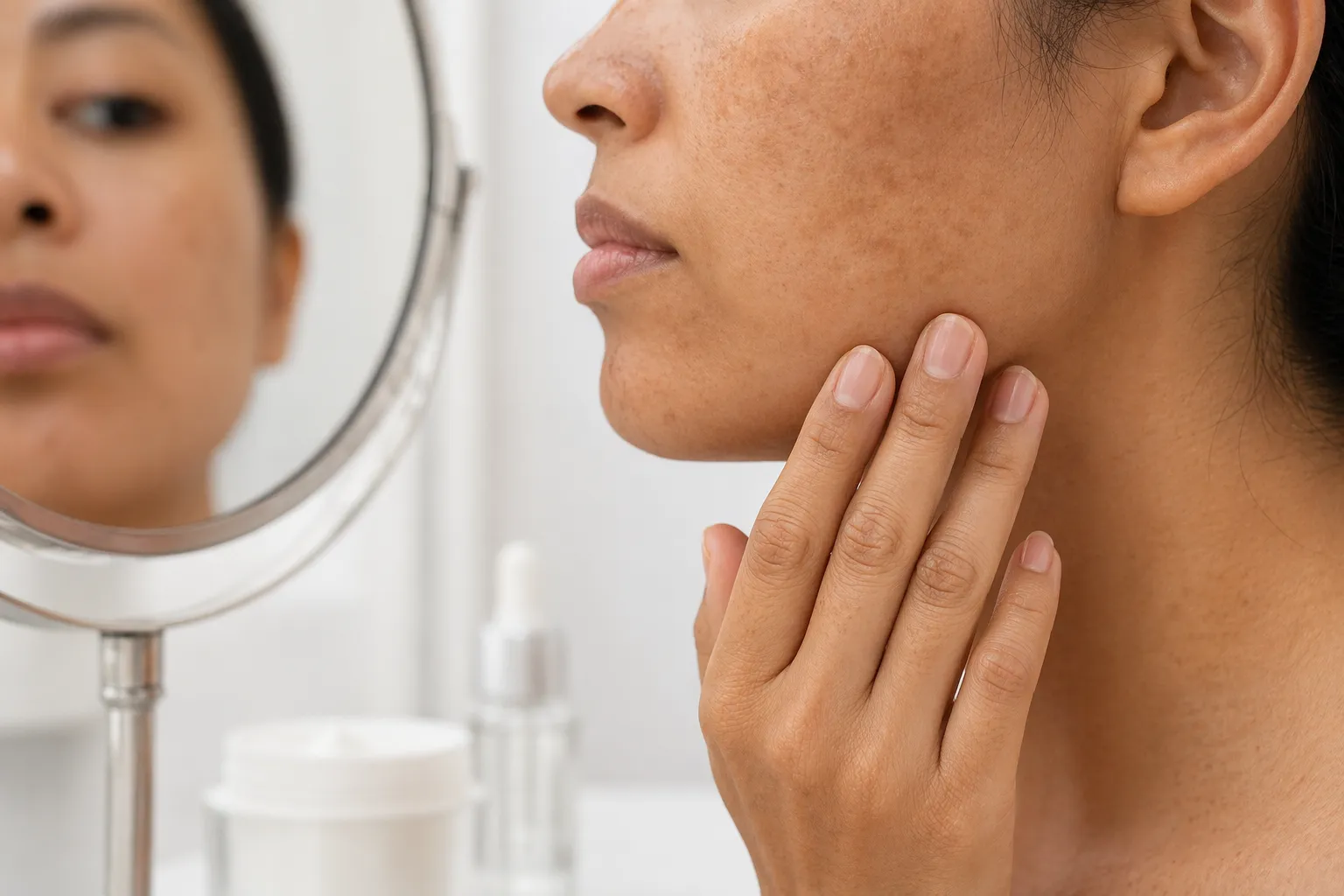
Causes of Skin Discoloration
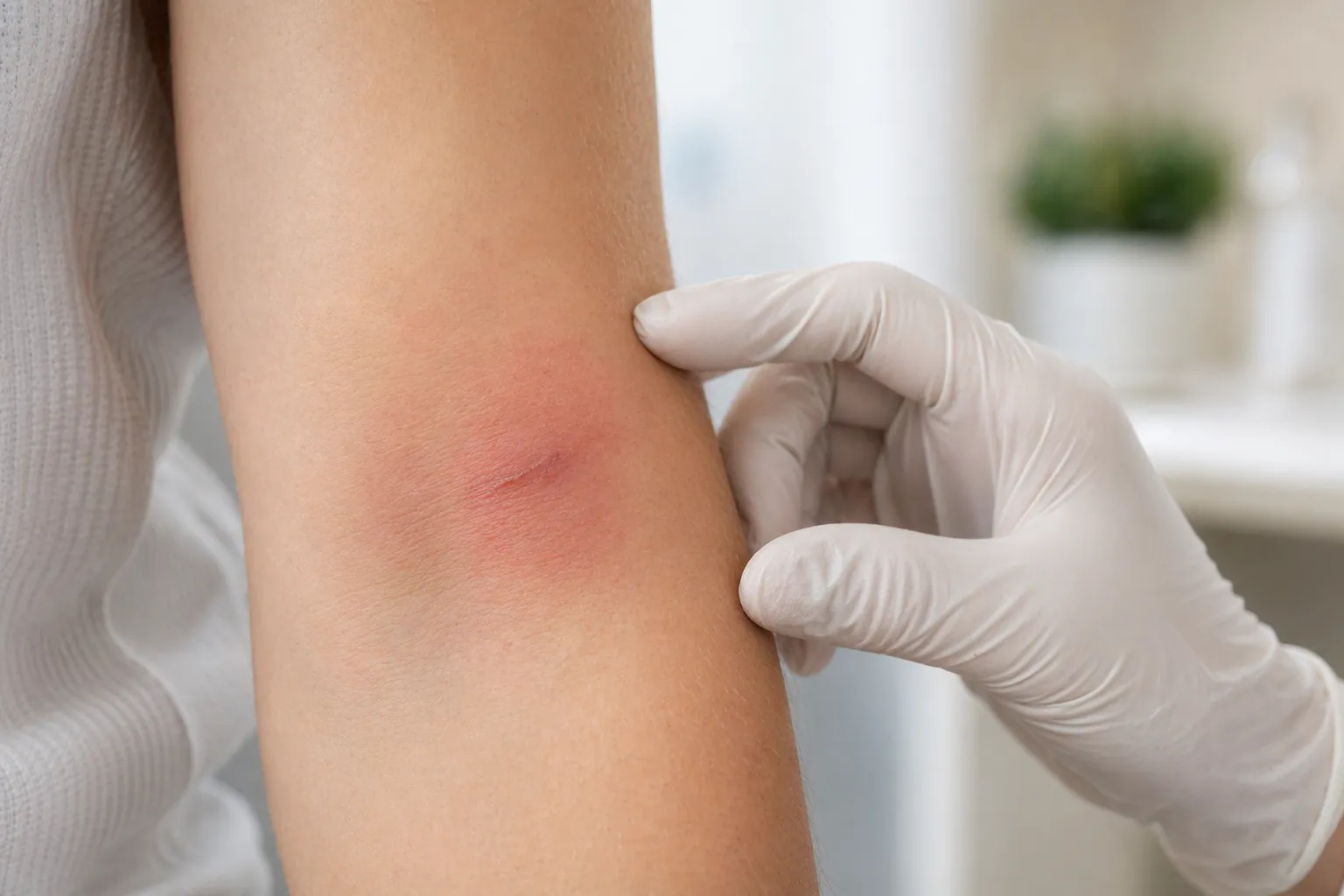
How Inflammation Can Impair The Healing Process of Tissues

Ginger’s Multiple Health Benefits

Cosmetic Chemical Preservatives

Allantoin Use for Hypopigmentation and its Benefits for Skin Melanin

Which Sunscreens are the Safest and Most Effective?